Showing posts with label antioxidants. Show all posts

Friday, May 11, 2012

Smart Food Swaps for Wellness and Weight Loss


Whether you’re trying to improve your health, lose weight or both, making over your meals can make a big difference. We don’t mean just removing certain ingredients; you should also add foods with greater nutritional value, focusing on body-boosting vitamins, minerals and polyphenols (plant molecules that activate disease-fighting genes)
To benefit: Your gut
Swap out: Sour cream
Add in: Nonfat plain Greek yogurt
 
Probiotics, found in yogurt, offer gastrointestinal health benefits, helping to alleviate diarrhea, constipation, inflammatory bowel disease, ulcers and lactose intolerance. Compare that to sour cream and it’s no contest.
 
We recommend Greek yogurt because it’s strained and, therefore, thicker, creamier and loaded with protein. In fact, Greek yogurt has more protein than regular yogurt, and, according to a 2007 article in The American Journal of Clinical Nutrition, protein helps you feel satisfied after a meal — more so than carbohydrates or fat — helping you to eat less overall. Kirkpatrick advises that you stay away from yogurts with fruit, which contain added sugars and will, as a result, sabotage weight-loss efforts. Nonfat plain Greek yogurt has the same creamy texture as sour cream but only about one-third of the calories.
 
Use it: You can use nonfat plain Greek yogurt in place of sour cream in tangy chicken marinade (with garlic, lemon juice and curry), shrimp or chicken salad, and dips. Try it on baked potatoes, or even use it in place of sour cream in cake recipes.
To benefit: Your brain
Swap out: Diet soda
Add in: Unsweetened iced tea or coffee
 
Black, green and white teas (hot or iced) can help get you through an afternoon slump. All three varieties (though not herbal teas) contain a compound called L-theanine, which studies have shown improves attention when consumed along with caffeine, another component of tea. Coffee is a good option too, as studies focused on its benefits show that it can increase short-term recall.
 
Another good reason to swap: The diet soda you’re drinking to save calories may actually be hindering your weight loss. In one study from the University of Texas Health Center, scientists found that for every diet soda consumed per day, the risk of being overweight or obese increases by 41 percent. Researchers speculate that the artificial sweeteners in diet drinks throw off your ability to regulate calorie intake.
 
Use it: Keep a pitcher of homemade iced tea or coffee in your fridge, and limit added sweeteners and dairy products.
To benefit: Your cells
Swap out: Ice cream or low-fat ice cream
Add in: Frozen fruit smoothies
 
Fruits are rich in flavonoids (a type of polyphenol with antioxidant properties), which can help protect you from developing certain types of cancer (lung, esophageal, bladder and stomach cancer), explains Kirkpatrick. Fruits rich in flavonoids include apples, blackberries, blueberries, pomegranates, cantaloupe, cherries, cranberries, pears, plums, raspberries, strawberries and grapes. In addition, people who eat fruit in abundance have a lower risk for high blood pressure — a major risk factor for cardiovascular disease — than people who don’t, according to research from Japan.
 
Use it: Use fresh or frozen fruit (frozen is often more healthful than fresh because it’s processed at the peak of ripeness), adding ice if you use fresh. Combine as many fruits as you want with a bit of fruit juice (such as orange or pineapple), plus nonfat yogurt (optional). Mix in a blender for one minute. Freeze until set (or drink unfrozen) and enjoy!
To benefit: Your bones
Swap out: White potatoes
Add in: Sweet potatoes
 
While white potatoes do offer nutritional benefits (they’re a good source of vitamin C, vitamin B6, potassium and dietary fiber), the United States Potato Board confirms that french fries are the most popular way Americans eat potatoes, which spells serious trouble (those trans fats in the frying oil!). What’s more, white potatoes are higher on the glycemic index than sweet potatoes, and research has demonstrated that lowering the glycemic load of the diet appears to be an effective method of promoting weight loss.
 
Like white potatoes, sweet potatoes are packed with vitamin C, potassium and fiber. They’re also an excellent source of beta-carotene (the darker varieties having a higher concentration), which is essential for proper bone growth, normal vision and healthy skin.
 
Use it: Sweet potatoes taste great steamed without toppings, but you can also turn them into healthy french fries — by slicing, spraying with cooking spray or brushing with olive oil, adding a bit of salt and baking until browned.
To benefit: Your energy level
Swap out: Rice or pasta
Add in: Quinoa
 
Sometimes it seems like white-flour products are everywhere — a bowl of rice, a roll with dinner, a plate full of pasta. When you consume a lot of refined carbohydrates (like white rice, white bread and regular white pasta), they’re quickly digested into simple sugars and absorbed into your bloodstream, which can cause your blood sugar levels to spike and then quickly crash. The result is usually flagging energy, moodiness and tiredness. With whole grains and especially with quinoa, you don’t have that problem. Quinoa is a whole grain with a low glycemic load, which means it’s absorbed more slowly and thus decreases sugar spikes. That means more even sugar levels, which means a more consistent energy level and mood. Quinoa even beats out brown rice in terms of nutritional value: One cup of cooked quinoa has 15 percent fewer carbohydrates and 60 percent more protein than a comparable amount of brown rice; it also has 25 percent more fiber, which can help lower blood cholesterol.
 
Use it: With sautéed vegetables, quinoa is a wonderful side dish — you can serve it as you would a side of rice or pasta. Quinoa is also nice for breakfast — serve it warm with cinnamon, raisins and a sprinkle of chopped almonds.
To benefit: Your gut
Swap out: Potato chips
Add in: Air-popped popcorn
 
Popcorn eaters get more than twice as many whole grains, giving them more than 20 percent more fiber in their diet than people who don’t eat popcorn, according to National Health and Nutrition Examination Study (NHANES) data. Fiber not only helps you feel full, it’s essential for keeping your GI tract regular. And popcorn is a low-calorie (please, no dousing it in butter), high-volume food — unlike most processed snack foods.
 
Use it: All you need are corn kernels and a brown paper lunch bag. Place the kernels in the bag, fold over the top, and place in the microwave on high for approximately three minutes, or until popping slows.
To benefit: Your waistline
Swap out: Corn
Add in: Broccoli
 
So many people rely on corn as their vegetable source, laments Jamieson-Petonic. The problem is that corn is a high-glycemic-index food, which means it increases your blood sugar. It’s also higher in calories than most other vegetables, especially the non-starchy variety. Broccoli, on the other hand, is a favorite among dietitians for good reason: It’s high in calcium and is also a great source of vitamin A, vitamin K, folic acid and fiber. On top of all that, new research shows that certain substances in broccoli appear to block a defective gene associated with cancer. “You get way more bang for your buck eating broccoli than corn,” explains Kirkpatrick.
 
Use it: Add broccoli to pasta dishes, sauté it with rice, toss it into salads, or simply serve it lightly steamed (with a dash of red pepper flakes and a spritz of lemon) alongside chicken and fish dishes. Swap out half a cup of corn for a whole cup of steamed broccoli and you’ll have a healthier, more filling meal with fewer calories.
To benefit: Your colon
Swap out: White flour
Add in: Whole grains
 
Swapping out “white” foods — white flour, white rice, regular pasta — for whole-grain alternatives like whole-wheat flour, brown rice and whole-grain pasta won’t help you cut calories in a one-to-one comparison. But the fiber in whole grains fills you up faster and sustains you longer, making you less likely to eat as much or go back for seconds — or to be hungry an hour later. In addition, there may be an association between whole grains and a reduction of colon cancer, explains Kirkpatrick. Studies also show that people who consume whole grains instead of white grains have a lower percent of belly fat and significantly less disease-causing inflammation.
 
Use it: To find products that are truly whole grain, look for the word “whole” (whole wheat, whole oats) near the top of the ingredient list. You can also trust the Whole Grain Stamp, an official packaging symbol. The Basic Stamp — it says “Whole Grain” — tells you that a product contains at least eight grams of whole grains per serving, but that product may also contain refined grain. The 100% Stamp — it says “100% Whole Grain” — certifies that all the grain in the product is whole grain.
To benefit: Your blood pressure
Swap out: Salt
Add in: Spices
 
Studies prove that reducing salt intake can lead to a substantial drop in blood pressure for people with high blood pressure (hypertension) or higher than optimal blood pressure, and that too much sodium causes triglycerides to build up in the walls of your arteries, which increases your stroke and heart attack risk. And yet Americans continue to consume far more sodium than is recommended. Your body needs some sodium to function properly — to help maintain the right balance of fluids in your body, transmit nerve impulses, and allow for proper contraction and relaxation of muscles. Dietary Guidelines for Americans, 2010 recommends limiting sodium to less than 2,300 mg a day — or 1,500 mg if you are older than 51, are black, or have high blood pressure, diabetes or chronic kidney disease. (Note that these are the maximum amounts; less is better.)
 
If you’re looking to add flavor to foods in place of salt, try fresh and dried herbs that are free of sodium, such as cayenne pepper, garlic or garlic powder, nutmeg, cinnamon, turmeric, cumin, oregano, tarragon, basil and thyme. You’ll also want to limit processed foods, which are typically high in salt.
 
Use it: Generally, it’s best to add dried herbs to recipes during cooking and to add fresh herbs once you’re done using heat.
To benefit: Your unborn baby
Swap out: Croutons
Add in: Walnuts
 
Omega-3 fatty acids offer a number of benefits, from lowering LDL (or bad) cholesterol (one of the main causes of heart disease) to improving the health of your arteries. Here’s the kicker: Not only can omega-3s help everyone from infants to the aged, research shows that infants born to moms with higher blood levels of omega-3 fatty acids at delivery had advanced attention spans well into their second year of life! So that means, even if you don’t consume omega-3s for yourself (but why wouldn’t you?), think about little ones who have yet to enter the world.
 
Yes, you can get loads of these essential fatty acids from fish like salmon, but you can also get them from nuts, especially walnuts. And besides omega-3s, walnuts also provide fiber, which helps you feel full and eat less. Just be careful: Nuts contain a lot of fat, and even though it’s mostly healthy fat, it’s still caloric, so go easy.
 
Use it: Who doesn’t love a crunchy treat in a green salad? Instead of eating empty, unhealthy calories (croutons), try topping your greens with walnuts for crunch.
To benefit: Your waistline
Swap out: Dried fruit
Add in: Water-rich fruit
 
Dried fruit may sound like a healthy snack, but with its concentrated sugar, high calories and, too often, sugar coating, it’s not such a great option, especially if you’re trying to lose weight, warns Kirkpatrick. Fresh fruit, on the other hand, makes you feel full on fewer calories. The reason is simple: It takes up more room in your stomach. Think about grapes and raisins. “Raisins provide a lot of calories in a very small serving,” says Jamieson-Petonic. “For the same number of calories in a small box of raisins, you could have a whole cup of grapes.” And you still get that sweet taste satisfaction from eating fresh fruit, adds Kirkpatrick.
 
Use it: Keep fresh fruit on hand for snacking instead of digging into the dried stuff.
To benefit: Your heart
Swap out: Cocktails
Add in: Red or white wine
 
Research suggests that moderate alcohol intake can produce a slight rise in HDL (good) cholesterol. But that benefit can be outweighed by health risks, depending on your beverage of choice. If you opt for sugary drinks (banana daiquiri, anyone?), you’re getting added sugars, which increase inflammation and lead to a higher risk of heart disease. Waistline watchers should also know that froufrou cocktails often contain a surprising number of calories, points out Kirkpatrick. Switch to red wine and you get antioxidants such as flavonoids that are believed to lower LDL and boost HDL with no added sugar and less calories than many mixed drinks. Given the risks of alcohol, however, the American Heart Association recommends that you limit your daily intake to two five-ounce glasses for men or one five-ounce glass for women. Women who drink any alcohol should take 400 mcg of folic acid (the amount found in a multivitamin) to help offset the increased risk of breast cancer from alcohol intake.
 
Use it: Instead of mixed drinks, opt for wine, especially red. If you’re looking for a low-calorie wine drink, try a white wine spritzer — a mix of wine, club soda and a twist of lime or lemon peel.
To benefit: Your heart
Swap out: Ground beef
Add in: Ground turkey
 
Red meat is a source of both saturated fat and dietary cholesterol — two of the main sources of high cholesterol. White-meat ground turkey contains half the saturated fat of 85 percent lean ground beef. But it has to be 100 percent white or breast meat, warns Jamieson-Petonic. “Dark ground turkey can be just as high in fat as ground beef,” she explains.
 
Use it: At your next barbecue, try turkey burgers instead of ground beef ones. You can also swap in ground turkey for ground beef in meatloaf, meat-based pasta sauces, tacos and chili.

Friday, May 4, 2012

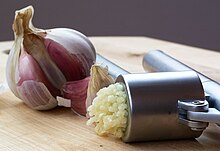
Scientific Proof that Garlic Fights Common Illness Better than Antibiotics

Great news, not only is Garlic a "super food" but now scientist have proven that it is a natural antibiotic! Ironically this is really not a "new" discovery its just an ignored, lost in the past with the advent of modern medicine. 
Garlic has been used as both food and medicine in many cultures for thousands of years, dating at least as far back as when the Giza pyramids were built. Garlic is still grown in Egypt, but the Syrian variety is the kind most esteemed now. Garlic is also mentioned in the Bible and the Talmud. In addition Hippocrates, Galen, Pliny the Elder, and Dioscorides all mentioned the use of garlic for many conditions, including parasites, respiratory problems, poor digestion, and low energy. Its use in China dates back to 2000 BCE.
________________________________________________

Below Article from:
Natural Society

Scientists at Washington State University are now confirming once again what natural health experts have known for years — garlic fights one of the most common food-borne illnesses much more effectively than antibiotics. Garlic has built a strong reputation in fighting infections, a benefit that is but one of many. Campylobacter bacterium, the name for the common bacteria that often results in intestinal illness, affects around 2.4 million Americans per year and is often treated with illness-linked antibiotics, but maybe not anymore.

According to the researchers, the information ‘opens the door’ to the many benefits of garlic when it comes to preventing and fighting infections. This means treating certain food items, cleaning, and use as a healing food substance. Once again, however, these mainstream scientists are simply re-discovering what many cultures have known (and have been utilizing) for centuries! It’s no secret that garlic is really a nutritional powerhouse, a superfood that can boost overall immunity and combat diseases — even superviruses that have the medical community in a frenzy.
Even Greek athletes used garlic to boost their physical performance in the arena due to the deep knowledge of the food’s empowering properties. Leading expert Dr. David Kraus explains:
“People have known garlic was important and has health benefits for centuries,” said Dr. David W. Kraus, associate professor of environmental science and biology at the University of Alabama. “Even the Greeks would feed garlic to their athletes before they competed in the Olympic games.”
Garlic even has a role in the prevention of cancer — the disease that is currently ravaging the population. In fact, it is a role that is quite notorious among cultures who have been using garlic in their dishes for countless years. Scientists believe that the role of garlic in cancer prevention quite possibly has to do with the way that garlic boosts the production of something known as hydrogen sulfide. It is this very substance that also protects the heart. Researchers at Albert Einstein College of Medicine found that directly injecting hydrogen sulfide into mice almost completely stopped damage to heart muscles as a result of heart attack.
The benefits of garlic are many, and the mainstream scientific community is just catching on to how important of a role garlic plays in the diet.

Friday, March 9, 2012

Foods rich in antioxidants proven to reduce stroke risk levels in women


"I knew there was a reason that women crave chocolate, its because it is SOOOOOOO
good for us!!"


From: NaturalNews
Health related to heart disease continues to be at the forefront of women's issues, and some studies reveal that prevention is a measure that is not necessarily guided by the pharmaceutical industry, but rather by what can be found in the fridge.

An expansive Swedish survey that was coordinated among women at Karolinska Institute led to a conclusion that diets that are comprised with foods rich in antioxidants result in lower risk levels of stroke. Women who have been diagnosed with heart disease and are known to have higher risks associated with stroke were also included in these findings. The medical journal produced by the American Heart Association, Stroke, published findings that concentrated on elderly and middle-aged women's diets. Those women that did not suffer from heart disease experienced a 17% risk reduction, while those with some form of heart disease reduced their risk of stroke by 57% when they adopted a diet loaded in antioxidants.

HOPE study supports the Swedish findings

The HOPE study (Heart Outcomes Prevention Evaluation) is another study that was conducted in recent years that supported the findings of the Swedish study. The HOPE study specifically followed 10,000 patients at risk for stroke in excess of four years and these patientsalso experienced lower risks through increased intakes of vitamin E.

Foods that are rich in antioxidants

In the human body, free radicals damage cells. Foods that are rich in antioxidants seem to neutralize free radicals in order to better preserve cells. In addition, foods that are rich in antioxidants also result in blood clot reduction and lower blood pressure. The array of foods that are rich in antioxidants include blueberries, artichokes and Russet potatoes, as well as dark beans. As a matter of fact, all black foods are typically rich in antioxidants simply because of their pigment levels. Black beans and black rice are great examples of abundantsources of antioxidants. Another study conducted at Louisiana State University evenfound that black rice contains more antioxidants than the fruit that is commonly perceived to be the richest source of antioxidants: blueberries.

It is easy to find such studies being conducted in the world of health and medicine and most commonly, they attempt to identify relationships between certain food items and some or other health issue. After perusing numerous studies, it becomes common sense that a generally healthy diet will result in positive health, and similarly, a bad diet filled with fatty foods and high cholesterol will affect health negatively. A university-led study is not necessary to arrive at that conclusion. Although it is very easy to prove that foods rich in antioxidants are certainly going to result in lower risks of stroke and heart disease, it is also equally important to consider that a diet that ishealthy overallwill result in better health.

Sources for this article include:

http://articles.nydailynews.com

http://ods.od.nih.gov/factsheets/vitamine/

http://www.hearthealthywomen.org/am-i-at-risk/featured/diet.html


Tuesday, March 6, 2012

4 March Superfoods to Optimize Your Health


First and foremost, what constitutes a "Superfood"? Well according to Health.com "there is no legal or medical definition, superfoods are nutrient powerhouses that pack large doses of antioxidants, polyphenols, vitamins, and minerals. Eating them may reduce the risk of chronic disease, and prolong life, and people who eat more of them are healthier and thinner than those who don't. Read about several foods that are considered super, what health benefits they offer, and how to fit them into your diet." They also list many other choices for year round "superfood" eating
Now for the "in season superfood" for March, Natural News talks about how It’s important to eat in season. For most of us, that also means keeping up with what powerful superfoods each month will bring into season. The month of March brings sun for some, and snow for others. While the temperature may be in high contrast across the globe, March’s superfoods are excellent for both cold and warm weather climates. Offering both warming characteristics for a cold night and a light juicy snack for a hot day, here are 4 March superfoods that will aid you in your quest for optimal health.

1. Honeydew

Honeydews are a top favorite that start coming into season in March, launching off the subtle initiation of the spring season. Honeydews, outside of their delicious and juicy taste, are loaded with vitamin C — a nutrient effective in fighting infection, fighting strep throat naturally, boosting overall immunity, and even combating life-crushing stress.
When selecting a honeydew, look for one that feels heavy for its size. In addition, seek out a honeydew that bounces back when pressed. For preparation, honeydew is great on its own or thrown into a salad in chopped pieces.

2. Artichokes

Are you getting enough potassium? Chances are that even with a healthy diet, potassium intake may be less than optimal. This is especially the case if you’re experiencing muscle spasms or cramps. Artichokes are a great source of potassium, as well as folate. Folate is a miracle substance as it actually helps to facilitate the production of DNA and RNA.
You can use artichokes in soups, stews, or throw them in with virtually any other meal option. Artichoke hearts are particularly easy to throw into a raw salad filled with other delicious and nutrient-packed ingredients.

3. Peas

A great source of not only vitamins A and C, but protein as well, peas are especially appealing to young children. While some children may shun healthy vegetables in favor of harmful processed food products, peas are often delicious to adults and toddlers alike. What’s more, peas are relatively inexpensive and often come in large quantities. Peas are great side dishes, or can be thrown into a pasta or salad dish.

4. Cherimoya

You probably haven’t heard of cherimoya, though I recommend you try introducing it into your diet this March. A fruit with soft white flesh that comes from the Custard Apple family, cherimoya has a delicious tropical flavor and comes with a valuable nutritional profile. Like many of the March superfoods, cherimoya is full of beneficial vitamin C, though it is also rich in potassium and fiber. The numerous benefits of fiber are continually being highlighted by nutritional experts across the globe, and cherimoya is a tasty way to ensure you are getting enough.
Try cutting up the fruit into cube-like pieces and throwing on a dash of cinnamon and nutmeg. Alternatively, you can include some cut up cherimoya into a bountiful fruit salad for a tropical taste.


Wednesday, February 15, 2012

Healthy Smoothies need the right ingredients

From: Antioxidants for health and longevityhealthy smoothie
Healthy smoothie recipes can produce drinks that are the most nutrient-dense meals on the planet. They're also just about the quickest, too! The secret to a healthy smoothie recipe is knowing which ingredients to use — and which to avoid.
Healthy smoothies contain only natural, whole foods, in a form that's easily digested and assimilated. They're loaded with antioxidants, vitamins, minerals and enzymes. There's no better way to give yourself an abundant, long-lasting supply of energy!
The good news is that anyone can make perfect healthy smoothies — recipes for smoothies are very flexible. You can experiment and switch ingredients to suit your taste and substitute your favorite beverage, fruit or vegetable.

The most common liquids people use to make smoothies are milk, yogurt, fruit juice, soy milk or some type of nut milk. Of all these choices, dairy-substitutes such as rice milk, hemp milk, coconut milk and almond milk are your healthiest ones, unless you use plain water. The only objection I can make about them is that they're factory-made, packaged beverages, essentially processed foods.


Make your own healthy smoothie starter!  If you have one of the more powerful blenders such as the BlendTec or VitaMix, you can make the freshest and healthiest smoothie starters in the world. They're easier to make than you'd think — and it only takes a couple of minutes.
You can use either of these as a substitute for milk in any healthy smoothie recipe — or drink them as is. They only keep for a day or so in the refrigerator, but they're so quick to make, it hardly matters.

Almond Milk Smoothie Starter

Combine the following in your blender:
  • 5 parts water
  • 1 part raw almonds,
    soaked overnight
  • 1 tbsp coconut oil (opt.)
  • stevia — sweeten to taste
Blend until smooth and strain
through a nylon-mesh nut bag
to remove the almond meal. Sweeten with stevia, if desired.

Coconut Milk Smoothie Starter

  • 4 parts water
  • 1 part shredded coconut
  • stevia — sweeten to taste
Pre-soak dried, shredded coconut in water to soften it up (optional). Blend until smooth and strain out the coconut meal with a nylon-mesh nut bag.

(our note) if you have to use a sweetener ONLY USE a Stevia based product, all other sweetners are chemicals, even though they may say made from sugar by the time they get done with the refining process it is pure 100% chemical that has caused cancer in lab rats. There are many forms of Stevia this could be "Truvia" regular or "Raw Stevia" or any generic Stevia such as "Pure Via" . True Original Stevia can be very costly so there are a lot generic alternatives. 


Read the rest of the article here and see how you can add antioxidants and coconut oil for glowing skin and herbs and spices for flavor.   


Wednesday, February 8, 2012

Are you Rusting from the inside out?

From UltraPrevention


Many of you may be taking antioxidants, but do you know why? The reason is to reduce rust, or oxidation. This concept is confusing; oxygen is good, or isn't it? Yes, it’s true we need oxygen to live and breathe........

................... and yet oxygen itself can be damaging. What does our body use oxygen for? - to make energy. In the process of making this energy, however, oxygen molecules temporarily are changed into highly reactive molecules called 
free radicals that can cause damage to our cells. 


Our bodies normally produce their own natural antioxidants to protect us from these free radicals. The higher the amount of these free radicals, the more antioxidants are required to protect us from this damage. If our body’s natural antioxidants are depleted, oxidative damage occurs to our cells. Some everyday examples of oxidative damage include the rusting of metal (oxidation of iron), or the browning of a bitten apple when exposed to air.
When oxidation occurs in our cells, the result is damage to the structure and as a result, impairment of the function of these cells. Many disorders are characterized at least in part by oxidation including heart failure, diabetes, Alzheimer’s disease, Parkinson’s disease, liver and kidney disease, arthritis, cystic fibrosis, scleroderma, and even aging itself.
We can protect ourselves against oxidative damage in two main ways:
  • 1) Reduce oxidative stress
  • 2) increase our antioxidant stores.
There are several processes which lead to oxidative stress. This includes foremost the processing of food and energy production. This is the likely explanation for why several animal studies have shown that by simply reducing the calories eaten (not reducing the nutrients) substantially increases lifespan while greatly reducing the incidence of diseases typically associated with aging. A lower caloric intake results in less oxidative stress.
Another process which leads to oxidative stress is the process of detoxification and elimination of foreign substances from our bodies. This takes place to a large extent in our liver, although almost every organ is involved in detoxification at some level. Detoxification of even over-the-counter medications such as aspirin and acetaminophen can place added oxidative stress on organs such as the liver.
Although moderate exercise stimulates our bodies own antioxidant systems, excessive exercise can place additional oxidative stress on our system and may require additional antioxidant support.
Antioxidant supplements are not the final answer. Foods contain many natural antioxidants that work together in combination. Simply giving a single antioxidant in a vitamin capsule is not as effective as eating foods that contain many antioxidants, which work in concert together. Antioxidant-rich foods should supply the majority of our antioxidant needs. In cases of increased oxidative stress additional supplementation may be required. In that instance, these supplements should probably be given in combination. These supplemental antioxidants include Vitamins A, C, D, E, Co-Q-10, carotenoids and flavonoids, zinc, selenium, manganese, copper, glutathione and N-acetyl cysteine among others. New testing is also available to gain insight into your own levels of oxidative stress and antioxidant status.
Oxidative stress is one of several biochemical imbalances which can eventually lead to cellular and organ damage and ultimately aging or disease.
Please click on more of the Five Forces of Illness to learn more about the biochemical imbalances that represent the key to true prevention. 


Read more here